Follow Your Passion: A Designer's Embroidery Review
As a designer who has spent years translating digital files into tangible stitched goods, I approach every new asset with a critical eye. The market is flooded with generic quotes and overused phrases, so when I encounter a design titled Follow Your Passion, my immediate thought isn't just about the words, but how they translate to thread on fabric. This specific file, marketed as an inspirational SVG for Cricut and digital download, promises versatility across Crafts and Graphics categories. But does it hold up under the scrutiny of a professional embroidery machine? Let's dig into the practical realities of using this design for real-world projects.
First Impressions: Visual Weight and Mood
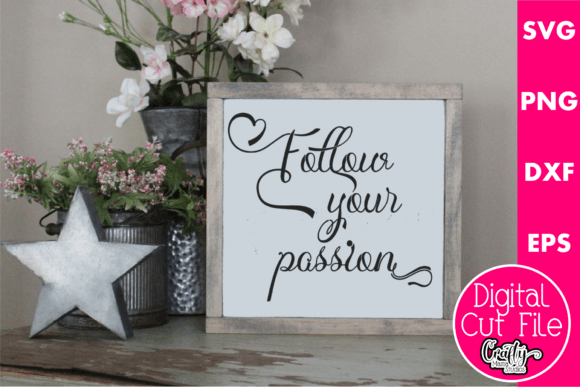
Opening the Follow Your Passion file, the first thing that strikes me is the layout. Inspirational text designs often suffer from being too dense or too airy, making them difficult to balance in a hoop. This particular graphic manages a decent equilibrium between the two lines of text. The typography feels modern yet approachable, which is crucial for custom apparel where you want the message to feel personal rather than corporate.
For a handmade product, visual personality is everything. The shape of the lettering suggests a design that would work well with a combination of satin stitch for the outlines and fill stitch for the body of the letters. However, without seeing the actual vector paths converted to stitches, I have to be cautious. If the curves are too tight, the machine might struggle with underlay, leading to puckering. My initial assessment is that this fits best on medium-weight fabrics like canvas tote bags or heavy cotton sweatshirts, where the texture can hide minor imperfections in the stitching.
Testing the Design: A Real-World Scenario
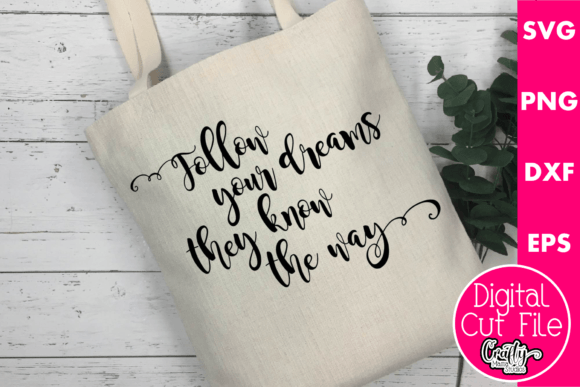
To truly evaluate Follow Your Passion, I imagine a specific project: a custom embroidered tote bag for a local craft fair booth. Tote bags are a staple for Etsy sellers and small shop owners because they are durable and highly visible. In this scenario, the design needs to pop against the natural beige of the canvas.
I visualize placing the text slightly off-center near the bottom hem. The phrase "Follow Your Passion" carries a positive, motivational weight that appeals to hobbyists and creative entrepreneurs. If I were selling these as personalized gifts, the sentiment adds value beyond the physical item. However, the success hinges on execution. If the stitch density is too high, the thick canvas might pucker around the text, ruining the professional look. Conversely, if the density is too low, the design might look ghostly and cheap.
This is where the distinction between a simple SVG file and a true machine embroidery design becomes critical. While the product description mentions formats like SVG, EPS, DXF, and PNG, these are primarily for cutting machines or printing. For embroidery, we need a digitized file (usually .PES, .DST, etc.) that tells the machine exactly how to move the needle. If you are buying this specifically for embroidery, ensure you have the correct digitized version. Using a cut-file SVG directly on an embroidery machine will result in disaster.
Navigating Fabric Challenges and Placement
When moving from a sturdy tote bag to more delicate items, the limitations of the Follow Your Passion design become apparent. Text-based graphics can be tricky on stretchy fabrics like jersey knit t-shirts or thin baby clothing. Without proper stabilization, the fabric can distort during stitching, warping the letters and making the quote hard to read.
If you plan to use this for baby embroidery, such as a onesie or a nursery blanket, you must test the design on scrap fabric first. The softness required for baby items means you cannot use aggressive pull compensation. Similarly, for caps and hats, the curved surface presents a challenge. The text might wrap awkwardly if the design isn't optimized for a cap hoop. I would recommend avoiding this design for caps unless you have a specialized digitizer who can adjust the curvature of the text to match the brim.
Another consideration is the background color. On dark fabrics, white thread offers great contrast, but it requires a solid fill stitch to prevent the black fabric from showing through. If the design relies heavily on running stitch or sparse fills, it may disappear on a navy blue sweatshirt. Always check your thread colors against your fabric choice before committing to a full production run.
Business Viability for Craft Entrepreneurs
For the Etsy seller or boutique owner, the commercial potential of this design depends on its uniqueness and licensing. Inspirational quotes are popular, but they are also saturated. To stand out, the execution must be flawless. A well-stitched custom apparel piece featuring "Follow Your Passion" can command a higher price point than a screen-printed equivalent because of the tactile quality of the embroidery.
However, you must verify the license terms. Many digital downloads include restrictions on selling finished goods versus reselling the digital file itself. If you intend to sell the embroidered patch or the finished tote bag, ensure your purchase includes commercial rights. Selling unauthorized designs can lead to account suspensions on platforms like Etsy, damaging your brand reputation.
In terms of brand consistency, this design works well for shops focused on motivation, wellness, or creativity. It pairs beautifully with other design assets in a similar style. Imagine a collection of kitchen towels, aprons, and pillow covers all featuring different variations of this theme. The cohesive look builds trust with customers who recognize your aesthetic.
Practical Tips for Flawless Execution
Before you hoist your hoop and start stitching, here are my essential notes for working with Follow Your Passion:
- Test on Scrap Fabric: Never skip this step. Run the design on a piece of the same fabric you plan to use. Check for puckering, skipped stitches, and alignment issues.
- Check Hoop Size: Ensure the design fits comfortably within your hoop without stretching the fabric excessively. If the text is long, you might need to resize it, which could affect legibility.
- Use Proper Stabilizer: For text-heavy designs, tear-away or cut-away stabilizers are non-negotiable. They provide the necessary support to keep the letters crisp.
- Review Stitch Density: If the file allows, adjust the density settings. Too much fill can make the fabric stiff; too little can leave gaps.
- Inspect Small Details: Zoom in on the corners of the letters. Sharp angles often cause thread breaks or jagged edges in embroidery. You may need to round them slightly in your digitizing software.
- Create Printable Mockups: Before selling, generate high-quality images of the finished product. Show the design on light and dark backgrounds so customers know what to expect.
Final Verdict on the Finished Product
The Follow Your Passion design has strong potential as a versatile asset for crafters and small business owners. Its message is timeless, and its layout is generally friendly to various applications. However, its success relies entirely on the quality of the digitization and the care taken during the stitching process. It is not a "set it and forget it" design; it demands attention to detail regarding fabric choice, stabilizer, and thread tension.
If you are looking to add a touch of inspiration to your handmade products, this design can elevate your offerings from simple crafts to meaningful, personalized gifts. Just remember to treat it with the respect it deserves as a serious commercial embroidery project. With the right preparation, "Follow Your Passion" won't just be a slogan; it will be a statement of quality that your customers will wear proudly.