Moon Made Me Do It: A Designer’s Embroidery Review
As a designer who spends more time staring at stitch maps than I do sleeping, I have learned to look past the glossy mockups. We all know that what looks crisp on a screen can sometimes turn into a tangled mess of thread on fabric. When I first pulled up the Moon Made Me Do It Retro Svg Design, my initial reaction was one of cautious optimism. The retro aesthetic is having a massive moment in the Crafts and Graphics world right now, but nostalgia alone does not make a design embroidery-ready. I needed to know if this piece had the structural integrity to survive the needle.
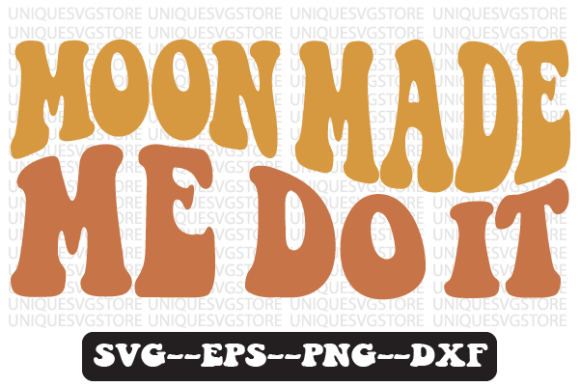
The visual personality of this design is immediately charming. It carries that specific mid-century whimsical vibe that appeals to a broad demographic, from Gen Z trendsetters to millennials looking for nostalgic decor. However, my job is not just to appreciate the art; it is to predict how it behaves under pressure. I imagined this design on a custom embroidered tote bag, something sturdy like canvas that could handle the weight of the stitches without puckering. The layout felt balanced, with enough negative space to let the fabric breathe, which is crucial for maintaining a professional finish.
Real-World Application and Fabric Behavior
To truly evaluate the Moon Made Me Do It Retro Svg Design, I mentally walked through a real-life production scenario. Let’s say you are a small shop owner preparing for a holiday rush. You want to offer personalized gifts that stand out. This design fits perfectly into that niche. I pictured it stitched onto a heavyweight cotton sweatshirt. The retro font style suggests a certain boldness, which translates well to apparel. However, because this is often distributed as a printable product or sublimation design, we have to consider how it translates when converted into a machine embroidery design.
If you are digitizing this yourself or purchasing a converted embroidery file, pay close attention to the lettering. Retro fonts often feature unique curves and varying stroke widths. In embroidery, thin lines can get lost or break easily if the stitch density is not adjusted correctly. For a project like this, I would recommend using a combination of satin stitch for the smaller text elements and a fill stitch for the moon graphic itself. This contrast in texture adds depth and prevents the design from looking flat.
I also considered how this would perform on textured fabrics. If you are aiming for a rustic look, a linen tote bag design could work beautifully, but you must account for the weave. A loose weave might require a higher density or a backing layer to prevent the fabric from showing through the stitches. Conversely, on smooth materials like those used for baby embroidery items, such as onesies, the design needs to be soft. Thick, dense stitching can irritate sensitive skin, so testing the hand-feel of the finished product is non-negotiable.
Navigating Technical Challenges
While the aesthetic is strong, there are areas where the Moon Made Me Do It Retro Svg Design requires careful handling. One major concern with retro-style graphics is the level of detail in the corners and curves. If the design includes intricate swirls or tiny decorative accents, these can become problematic on curved surfaces like caps or hats. The hoop tension on a cap is different from a flat garment, and small details can distort. If you plan to use this for sweatshirt embroidery or flat items, you are likely safe, but for structured garments, simplify the smallest elements.
Another critical factor is color contrast. The retro vibe often relies on muted or pastel palettes. While these look lovely in digital printable mockup previews, they can disappear on dark fabrics. If you are stitching this onto a navy or black hoodie, you must ensure your thread colors pop. Do not rely on the default colors in your software. Test the design in black and white first to check for value contrast. If the moon blends into the background text, you need to adjust your palette before you hit the start button.
Furthermore, consider the hoop size. This design seems versatile, but if you are working with a small 4x4 inch hoop, you may need to scale it down. Scaling down too much can cause the stitches to merge, creating a blob rather than a clear image. Always check the minimum viable size for your specific machine and thread type. For larger items like pillow covers or blankets, you have more freedom, but remember that larger fill areas take longer to stitch and use more thread, impacting your profit margins as an Etsy seller.
Commercial Viability and Brand Consistency
For creative entrepreneurs and craft business owners, the appeal of this design lies in its marketability. It taps into the popular "witchy" or celestial trend without being overly aggressive. It feels friendly and approachable. This makes it an excellent candidate for commercial embroidery projects where you want to appeal to a wide audience. Whether you are selling finished product items or using it as part of a broader brand identity, consistency is key.
When using this as a design asset for your shop, think about how it complements your other offerings. If your brand is known for minimalist, modern lines, this retro piece might feel out of place unless curated carefully. However, if your shop leans into vintage vibes or playful handmade goods, it fits seamlessly. Customer trust is built on quality. A poorly stitched version of this design, with loose threads or puckered fabric, will hurt your reputation faster than a bad design choice ever could.
Practical Notes for the Maker
Before you commit to a full production run, here are my essential recommendations for working with this type of graphic:
- Test on scrap fabric: Never stitch directly on your final garment. Use the same material and weight to check for puckering or distortion.
- Check stabilizer compatibility: For stretchy fabrics like t-shirts, a cut-away stabilizer is usually best to support the stitches over time. For woven fabrics like tote bags, a tear-away might suffice.
- Verify licensing: Since this is often sold as a printable or sublimation design, confirm if the license allows for commercial use of the embroidered item. Some licenses cover digital use but restrict physical resale.
- Inspect stitch paths: If you are digitizing this from the SVG, ensure the jump stitches are minimized and the trim commands are logical to reduce thread waste and cleanup time.
- Consider the wash test: Embroidered items need to survive the laundry. Ensure your thread quality is high and that the design holds up after multiple washes without fraying.
In conclusion, the Moon Made Me Do It Retro Svg Design offers a delightful blend of nostalgia and modern appeal. It is not just a pretty picture; it is a viable candidate for a range of embroidery project types, from custom apparel to home decor. However, its success depends entirely on your technical execution. Respect the limitations of the medium, choose your materials wisely, and always prioritize the tactile experience of the final customer. With the right approach, this design can become a staple in your portfolio, driving engagement and sales for your small business.