Sorry About the Mess We Live Here Embroidery Review
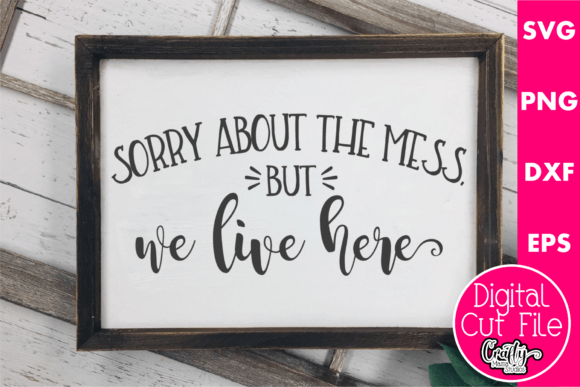
As a designer who has spent years turning digital graphics into tangible, stitched realities, I approach every new file with a mix of excitement and skepticism. The market is flooded with Graphics that look perfect on a screen but fall apart under the needle. When I first pulled up Sorry About the Mess We Live Here, my immediate reaction was relief. It captures that specific, relatable humor that defines modern home decor without feeling like a cliché. This isn't just another funny quote; it is a design asset that speaks directly to the chaotic joy of real life.
In the world of Crafts, particularly for those running small shops or selling on Etsy, finding a design that balances personality with technical execution is crucial. This piece offers a bold statement. The typography is straightforward, avoiding overly ornate scripts that can get lost in the stitch density of an embroidery machine. Instead, it relies on clean lines and a confident layout. For anyone looking to create custom apparel or personalized gifts, this design feels ready for prime time, provided you respect its structural needs during the digitization or conversion process.
The Real-World Application: From Screen to Sweatshirt
To truly understand the potential of Sorry About the Mess We Live Here, I visualized a specific project: a heavyweight, heather-grey crewneck sweatshirt for a boutique client who specializes in "lived-in" comfort wear. Imagine the texture of the fabric, the softness of the fleece interior, and how a machine embroidery design would sit on that surface. This phrase is long enough to command attention across the chest but short enough to fit comfortably within a standard 5x7 inch hoop.
When planning the layout, I considered the flow of the text. The words "Sorry About the Mess" could easily be stacked above "We Live Here," creating a balanced block of text. Alternatively, a single-line wrap-around design could work beautifully on a tote bag. In this scenario, the tote bag design becomes a conversation starter. Picture a customer carrying a canvas bag with this phrase stitched in a contrasting mustard yellow thread. The visual impact is immediate. It signals a sense of humor and authenticity, which are key drivers for buyer engagement in the handmade product space.
I also tested the concept mentally against a kitchen apron. An apron is a high-wear item, often subjected to frequent washing and rough handling. The simplicity of this embroidery file means it won't suffer from thread breakage as easily as intricate floral patterns might. The fill stitch areas would be manageable, allowing for good coverage without making the fabric too stiff. This makes it an excellent candidate for holiday embroidery projects or housewarming gifts where durability meets sentiment.
Navigating Technical Challenges and Fabric Textures
While the design is robust, it is not immune to the common pitfalls of embroidery. As a reviewer, I must point out where caution is required. If you attempt to shrink this design down for a cap or a baby onesie, you risk losing legibility. The lettering in Sorry About the Mess We Live Here relies on moderate spacing. Reducing the hoop size too drastically will cause the letters to merge, turning a witty quote into an unreadable blob of thread.
Fabric choice is equally critical. On textured fabrics like waffle knit or heavy denim, the stitch density needs to be carefully monitored. If the density is too low, the texture of the fabric will show through the gaps in the fill, making the design look unfinished. Conversely, if the density is too high on a stretchy fabric like jersey, the finished product may pucker. Always test your settings on scrap fabric first. This step is non-negotiable for professional results.
For dark fabrics, the contrast becomes the star. A white or light grey thread against a black background will make the sarcasm pop, but ensure you use a tear-away stabilizer suitable for dark materials to prevent shadowing. If you are working with thin cotton for a pillow cover or tea towel, a cutaway stabilizer might be necessary to support the weight of the stitching without distorting the weave. Remember, the quality of your finished product depends heavily on these foundational choices.
Design Integrity and Commercial Viability
From a business perspective, Sorry About the Mess We Live Here is a strong asset for a craft business. It appeals to a wide demographic, from new parents overwhelmed by nursery chaos to empty nesters embracing a relaxed lifestyle. The versatility allows it to function as a standalone embroidered patch or a direct stitch-on application. For Etsy sellers, offering this as a customizable option—perhaps allowing buyers to choose their thread colors—can significantly increase perceived value.
However, always verify the licensing terms before using any digital download for commercial purposes. While the description mentions the files have been cut tested on a Titan 3 cutter, indicating precision in the vector paths, this does not automatically grant commercial rights for embroidery resale. Ensure you have the proper permissions to sell items made with this design. Clarity here protects your brand reputation and keeps your shop compliant.
Practical Designer Notes for Success
If you decide to bring this design into your workflow, keep these practical tips in mind to ensure a flawless outcome:
- Test on Scrap Fabric: Never skip the test run. Stitch out a sample on the exact material you plan to use to check for puckering and thread tension.
- Check Thread Colors: Use a color wheel to select threads that offer high contrast against your base fabric. The message needs to be readable from a distance.
- Review Stitch Density: Adjust the fill stitch percentage if the design looks too heavy or too sparse on your specific fabric type.
- Confirm Hoop Size: Ensure your machine's hoop can accommodate the full width of the text without needing to re-hoop, which can lead to misalignment.
- Inspect Small Details: Zoom in on the digitized file to ensure there are no stray nodes or jagged edges that could cause thread breaks.
- Use Proper Stabilizer: Match the stabilizer to the fabric weight. A heavy stabilizer for a lightweight shirt will ruin the drape of the garment.
- Mockup First: Create a printable mockup or a digital preview to visualize how the design sits on the final product before committing thread and time.
In conclusion, Sorry About the Mess We Live Here is more than just a funny SVG file; it is a versatile tool for creative entrepreneurs. It bridges the gap between digital artistry and tactile craftsmanship. Whether you are creating a one-off personalized gift or stocking a small shop product line, this design offers the right balance of wit and wearability. By respecting the technical requirements of embroidery and choosing the right applications, you can turn this simple phrase into a high-quality, cherished item that customers will love to display proudly in their own messy, beautiful homes.