Reviewing the Proud to Be Hispanic Retro Svg Design
As a designer who spends half my life digitizing files and the other half stitching them out, I have learned that not every graphic translates well to thread. When I first pulled up the Proud to Be Hispanic Retro Svg Design, my initial reaction was one of cautious optimism. The retro aesthetic is currently dominating the Crafts market, but retro often means complex curves and tight spacing—two things that can be nightmares for machine embroidery if not handled correctly. This review breaks down how this specific design performs when moved from a digital screen to actual fabric, focusing on practical application for small business owners and serious hobbyists.
First Impressions and Visual Personality
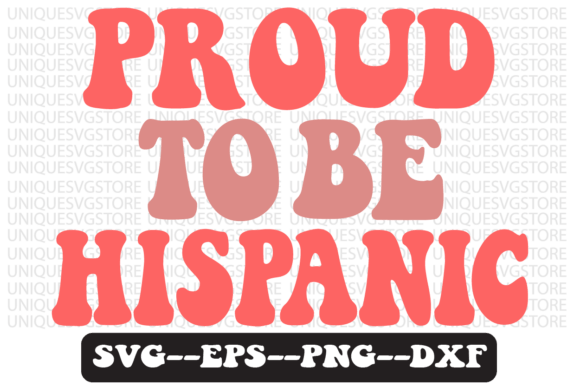
The mood of this piece is warm, nostalgic, and celebratory. It captures the vibrant spirit of Hispanic Heritage without relying on clichés. Visually, the layout feels balanced, with a typography style that suggests vintage print media. For an embroidery project, this is promising because bold, retro-style lettering usually holds up better than delicate scripts. However, the "retro" label often implies distressed textures or intricate background elements. In the context of Graphics meant for sublimation, these details look fantastic. But for us stitchers, we need to ask: will those fine details turn into a bird’s nest of thread?
The design’s personality fits naturally into custom apparel and home decor. It feels at home on a cozy sweatshirt or a sturdy tote bag. It does not scream for attention with neon brightness but rather invites a closer look with its classic composition. This subtle confidence is exactly what many boutique buyers are looking for right now.
Real-World Application: The Tote Bag Test
To truly evaluate the Proud to Be Hispanic Retro Svg Design, I imagined a real-life scenario: preparing a batch of canvas tote bags for a local cultural festival. Canvas is a forgiving fabric, but it has a distinct texture. I visualized hooping the material with a medium-weight cut-away stabilizer to prevent puckering. The design’s width seemed appropriate for a standard 5x7 or 6x10 hoop, making it versatile for various products.
If I were stitching this onto a tote, I would likely opt for a fill stitch approach for the larger solid areas to ensure coverage, while using satin stitches for the borders to keep edges crisp. The result would be a tactile, high-quality handmade product that feels substantial in the hand. Customers at craft fairs often touch items before buying; a well-executed embroidery job on this design would convey professionalism and durability, increasing the perceived value of the item significantly compared to a printed vinyl decal.
Versatility Across Product Lines
Beyond tote bags, this design shows promise for several other applications. For sweatshirt embroidery, the retro vibe pairs perfectly with fleece or French terry fabrics. The thickness of the fabric supports the weight of the thread, preventing the design from pulling or distorting. It would also work well as an embroidered patch if you prefer to stitch it out separately and then apply it. This method is ideal for curved surfaces like caps, where direct embroidery can be tricky due to the structure of the hat.
For those running an Etsy seller shop, this asset could be marketed as part of a Hispanic Heritage collection. It fits seamlessly into categories like holiday embroidery or year-round cultural pride items. Whether used for baby embroidery on a onesie (scaled down appropriately) or as a statement piece on an adult hoodie, the core message remains clear and impactful.
Technical Considerations and Stitching Challenges
While the design is visually appealing, there are areas where caution is necessary. Retro designs sometimes incorporate thin lines or small decorative accents that do not translate well to thread. If this machine embroidery design includes very fine details, they may get lost in the fabric texture or break during washing. I always advise checking the stitch density before committing to a final run. High density can make the fabric stiff, while low density might leave gaps.
When working with dark fabrics, thread color contrast becomes critical. The retro palette likely involves earthy tones or muted primaries. You must ensure your thread colors stand out against the background. A test stitch on scrap fabric is non-negotiable here. Additionally, if you are using this on stretchy fabric like jersey knit for t-shirts, proper stabilization is key. Without it, the design may pucker, ruining the clean lines of the retro font.
Another consideration is the scale. If you plan to shrink this design for a small pocket logo or a baby item, verify that the text remains legible. Tiny lettering can become unreadable if the stitches merge together. Always inspect the smallest details in your embroidery software before sending the file to the machine.
Enhancing Brand Value and Customer Trust
Using a well-chosen design like the Proud to Be Hispanic Retro Svg Design can elevate your brand consistency. It signals that you care about cultural representation and quality craftsmanship. For commercial embroidery projects, this matters. Buyers can spot a generic, poorly executed design from a mile away. By taking the time to select a graphic with strong visual personality and executing it with precision, you build trust.
This trust translates to buyer engagement. A personalized gift featuring this design feels thoughtful and curated. It is not just a product; it is a statement. For small shop product lines, having a cohesive aesthetic helps with recognition. If your customers associate your brand with high-quality, culturally relevant designs, they are more likely to return for future purchases.
Practical Designer Notes for Best Results
Before you start stitching, keep these practical tips in mind:
- Test on Scrap Fabric: Always run a test stitch on the same type of fabric you plan to use for the final product. This helps you identify any issues with tension or density.
- Check Thread Contrast: Ensure your thread colors pop against the fabric. Use a black and white mockup to check value contrast if you are unsure.
- Verify Hoop Size: Confirm that the design fits comfortably within your hoop, leaving enough margin for stability.
- Use Proper Stabilizer: Match your stabilizer to your fabric. Cut-away for knits, tear-away for wovens, and consider water-soluble topping for textured fabrics like towels.
- Review Licensing: Since this is a printable product and digital asset, confirm the license terms. Ensure you are allowed to sell finished physical items made with this design if you are running a craft business.
- Inspect Small Details: Zoom in on the design in your software. Look for any tiny elements that might not stitch out cleanly and consider simplifying them if necessary.
In conclusion, the Proud to Be Hispanic Retro Svg Design offers a strong foundation for a variety of embroidery projects. Its retro charm and clear messaging make it a valuable addition to your design assets. By paying attention to technical details like stitch density, fabric choice, and stabilization, you can transform this digital file into a stunning finished product that resonates with customers and stands the test of time. Whether you are creating custom apparel for a client or stocking your online store, this design has the potential to be a standout piece in your portfolio.