Reviewing the Octoberfest Drinking Team SVG for Embroidery
As a designer who spends half my life digitizing and the other half stitching, I have learned that not every graphic translates well to thread. When I first pulled up the Octoberfest Drinking Team Svg Design, my initial reaction was one of cautious optimism. The retro aesthetic is undeniably trendy, tapping into that nostalgic, groovy vibe that dominates current craft trends. However, moving from a flat digital image to a textured, three-dimensional embroidery project requires a critical eye. This review breaks down how this specific design performs in real-world scenarios, helping you decide if it belongs in your next batch of custom orders.
First Impressions and Visual Personality
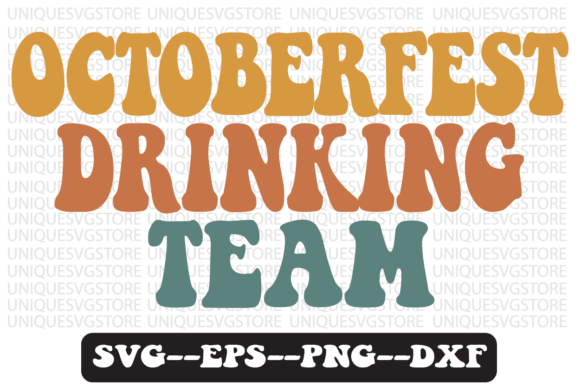
The mood of this design is playful and communal. It captures the spirit of celebration without being overly cluttered, which is a significant advantage for embroidery. The layout features bold, retro-style typography paired with thematic icons. For an experienced stitcher, the immediate question is always about density and flow. The shapes appear solid enough to hold their form under tension, but the intricate curves of the retro lettering suggest that precision is key. This isn't a design you can rush; it demands attention to detail to ensure the thread colors pop against the fabric texture.
In terms of category, while this originates as a Graphics asset within the broader Crafts niche, its potential lies in its adaptability. It feels right at home on casual wear, suggesting a laid-back, fun atmosphere. The visual personality is strong, making it an excellent candidate for items meant to be seen and noticed, rather than subtle, understated accents.
Real-World Application: The Sweatshirt Test
To truly evaluate the Octoberfest Drinking Team Svg Design, I imagined preparing a custom order for a local boutique client. She wanted matching sweatshirt embroidery for a group attending a fall festival. This is a classic use case for this type of personalized gift. On a heavy cotton blend sweatshirt, the design has enough surface area to shine. The bold lines would translate well into a combination of fill stitch for the larger graphical elements and satin stitch for the text borders, ensuring clarity and durability.
However, context matters. If I were applying this to a lighter garment, like a standard t-shirt, I would need to be mindful of puckering. The design’s footprint is substantial enough that it could distort thin fabric if not properly supported. For a tote bag design, the sturdy canvas provides an ideal foundation, allowing the stitches to sit high and proud without sinking into the weave. This makes it a versatile option for various handmade product lines, from apparel to accessories.
Navigating Technical Challenges
While the design is visually appealing, there are areas where caution is necessary. Retro fonts often feature tight kerning and delicate serifs. In embroidery, these tiny details can become problematic if the stitch density is too high or the needle size is too large. When working with this design, I recommend closely inspecting the smallest letters. If they appear too thin in the preview, you may need to adjust the digitizing parameters to ensure they don’t break or look sparse after washing.
Another consideration is the background. Since this is a printable product often used for sublimation, the original file might rely on color contrasts that don’t translate directly to thread. For example, if you are stitching on dark fabric, you must ensure your thread colors have enough brightness to stand out. A dark navy thread on a black hoodie will vanish. Always test your color palette on scrap fabric before committing to the final finished product.
Curved surfaces present another challenge. Applying this design to a cap or a curved sleeve requires careful hooping. The width of the text might exceed the standard hoop size for some machines, necessitating a split design or a larger hoop capability. Always confirm your machine’s maximum hoop size compatibility before purchasing or digitizing any digital embroidery file.
Commercial Viability for Etsy Sellers
For Etsy sellers and small shop owners, this design offers strong commercial potential. The "Drinking Team" theme is evergreen for adult groups, bachelorette parties, and holiday gatherings. It fits seamlessly into the holiday embroidery market, particularly for autumn events. The retro style appeals to a broad demographic, making it a safe bet for craft business inventory.
However, professionalism is key. Customers judge the quality of a custom apparel item by its finish. If the edges of the satin stitches are frayed or the fill stitches are uneven, the perceived value drops. Using a high-quality stabilizer is non-negotiable here. A cut-away stabilizer is often best for garments that will be washed frequently, providing long-term support to the stitches. This attention to technical detail builds customer trust and encourages repeat business.
Practical Designer Notes
Before you launch this design into your production line, consider these practical steps:
- Test on Scrap Fabric: Never skip the test stitch. Use the same fabric type and weight you intend to sell to check for puckering or registration issues.
- Check Thread Contrast: View your design in black and white mockups. If the elements blend together without color, the design lacks sufficient contrast and may need adjustment.
- Verify Licensing: Since this is sold as a printable mockup and SVG, ensure you have the rights to use it for commercial embroidery. Some licenses cover print-on-demand but restrict physical handmade sales. Clarify this with the creator.
- Assess Stitch Density: If you are digitizing this yourself from the SVG, avoid over-packing the fill areas. Too many stitches can make the garment stiff and uncomfortable.
- Consider Fabric Stretch: For stretchy fabrics like jersey knits, use a ballpoint needle and appropriate stabilizer to prevent skipped stitches.
Final Verdict
The Octoberfest Drinking Team Svg Design is a strong contender for seasonal collections. Its retro charm and clear thematic focus make it highly marketable for small shop product lines. While it requires careful handling regarding stitch density and fabric choice, the end result can be a high-value embroidered patch or direct-to-garment piece that customers love. By respecting the technical limitations of embroidery and prioritizing quality materials, you can transform this digital asset into a standout design asset for your portfolio. Whether for a baby embroidery project on a onesie or a bold statement on a hoodie, this design delivers when treated with professional care.