Reviewing the Library Assistant Retro SVG for Embroidery
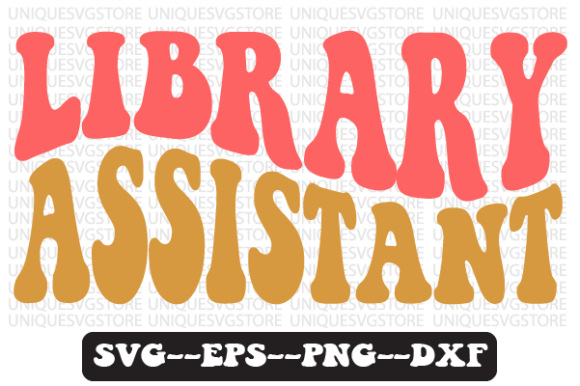
As a designer who spends half my life digitizing and the other half stitching, I have learned that not every graphic translates well to thread. When I first pulled up the Library Assistant Retro Svg Design, my initial reaction was cautious optimism. The retro aesthetic is currently dominating the Crafts market, but nostalgia often comes with complex shapes and thin lines that can be a nightmare for machines. However, after reviewing the layout and considering its potential application in real-world projects, I see significant value here for both digital sellers and hands-on embroiderers.
First Impressions: Mood and Visual Personality
The design immediately establishes a warm, nostalgic mood. It captures the essence of mid-century library culture without feeling dated or cluttered. For those of us working in Graphics and embroidery, the balance between negative space and filled areas is crucial. This piece feels open enough to breathe on fabric but detailed enough to hold interest. The typography suggests a vintage typewriter or classic bookplate style, which pairs beautifully with the thematic elements. It does not scream for attention; rather, it invites a closer look, which is exactly what you want in a sophisticated handmade product.
When evaluating this as a potential embroidery file, I look at how the shapes will convert to stitches. The clean lines suggest that with proper digitizing, this could work well as a combination of satin stitch for borders and text, and fill stitch for any solid iconographic elements. The retro vibe lends itself to a slightly textured look, meaning minor imperfections in stitching might actually enhance the vintage feel rather than detract from it.
Real-World Application: From Digital File to Finished Product
I recently considered using a similar concept for a custom order: a set of personalized tote bags for a local book club. The Library Assistant Retro Svg Design would have been perfect for this. Imagine this stitched onto a natural canvas tote bag design. The contrast of dark thread against the beige fabric would make the retro lettering pop. Because the design is described as a printable PNG sublimation design as well, it offers versatility. You could use the digital file for a quick heat-transfer test before committing to the time-intensive process of machine embroidery.
Beyond totes, this design shines on custom apparel. A crewneck sweatshirt featuring this quote on the left chest area creates an understated, professional look suitable for library staff or avid readers. For Etsy sellers and small shop owners, this type of niche-specific design builds immediate connection with the buyer. It is not just a generic "I love books" shirt; it speaks specifically to the library assistant community, creating a sense of belonging and professional pride.
Consider also the gift market. A personalized gift such as an embroidered apron for a librarian who loves to cook, or a baby embroidery project like a onesie for the child of a book lover, adds emotional value. The retro style feels timeless, ensuring the finished product does not look trendy today and outdated tomorrow.
Technical Considerations for Stitching Success
While the visual appeal is strong, we must address the technical realities of turning this digital embroidery file into a physical object. Since the source is an SVG and PNG intended for printing, it is not yet a native embroidery format like PES or DST. This means you will need to digitize it yourself or hire a digitizer. Here is where your expertise matters.
- Stitch Density: Retro fonts can sometimes have heavy weights. Ensure your stitch density is adjusted so the text does not become a stiff, cardboard-like patch on the fabric. Underlay stitches are critical here to stabilize the fabric and prevent puckering.
- Small Details: If the design includes fine lines or small decorative elements typical of retro graphics, test them thoroughly. Tiny details can get lost in thread colors that are too similar or buried under dense stitching.
- Fabric Texture: This design works best on stable fabrics. Cotton twill, canvas, and medium-weight fleece are ideal. Be cautious with stretchy knits unless you use a cut-away stabilizer and possibly a hoop-less frame technique.
For curved surfaces like caps, the layout might need adjustment. A wide horizontal design can distort on the front panel of a baseball cap. In such cases, consider scaling down the design or breaking it into smaller components if the license allows modification. Always check the hoop size compatibility with your machine before starting a large batch.
Navigating Challenges: Where to Use Caution
Not every project is a good fit. Avoid placing this design on very thin or slippery fabrics like silk or rayon challis without extensive stabilization and testing. The weight of the stitches could pull the fabric out of shape. Similarly, dark fabrics require careful selection of thread colors. If the retro design relies on subtle color shifts, ensure there is enough contrast against black or navy backgrounds. A test run on scrap fabric is non-negotiable here.
Also, consider the end-use. If this is for a commercial embroidery project like work uniforms that will undergo industrial washing, ensure the thread quality is high-grade polyester to prevent fading. The retro aesthetic should remain vibrant, not worn out, after multiple washes.
Boosting Brand Value and Customer Trust
For craft business owners, the quality of your design assets directly impacts your brand perception. Using a well-thought-out design like the Library Assistant Retro Svg Design signals professionalism. It shows that you understand your niche and care about aesthetics. When customers see a clean, well-stitched design on a sweatshirt embroidery piece or an embroidered patch, they trust the maker. This trust translates to repeat business and positive reviews.
Moreover, this design serves as excellent content for printable mockup creation. Even before stitching, you can showcase the design on various products in your online store. This helps buyers visualize the final product, increasing conversion rates. It bridges the gap between digital design assets and tangible goods.
Final Designer Notes
Before you commit to a full production run, take these practical steps:
- Test on Scrap: Always stitch a sample on the exact fabric you plan to use. Check for puckering, thread breaks, and color accuracy.
- Check Licensing: Since this is sold as a printable SVG/PNG, confirm the license terms. Can you sell finished physical items? Can you resell the digital file? Most importantly, if you digitize it, do you own the new embroidery file rights? Clarify this with the creator to avoid legal issues in your small shop product line.
- Contrast Check: View the design in black and white. If the details disappear, you may need to adjust line weights during digitizing.
- Stabilizer Choice: Match your stabilizer to the fabric. Tear-away for stable wovens, cut-away for knits, and water-soluble for delicate or pile fabrics.
In conclusion, the Library Assistant Retro Svg Design is a versatile and charming asset for any designer’s toolkit. It bridges the gap between nostalgic charm and modern crafting needs. With careful digitizing and thoughtful material selection, it can elevate simple garments into cherished keepsakes. Whether you are an Etsy seller looking for your next bestseller or a hobbyist making a holiday embroidery gift, this design offers a solid foundation for creative expression. Just remember: the magic lies not just in the image, but in how you bring it to life through thread and needle.